Minnesota Landscaping: Native tress, shrubs & flowers
/in Landscaping TipsMinnesota Landscaping with native plants isn’t just about aesthetics—it’s about sustainability. Native trees, shrubs, and flowers have evolved alongside Minnesota’s climate and wildlife, making them resilient, low-maintenance, and eco-friendly. These plants support pollinators, conserve water, and thrive in local soil conditions, making them a fantastic choice for homeowners and gardeners alike.
Native Trees of Minnesota
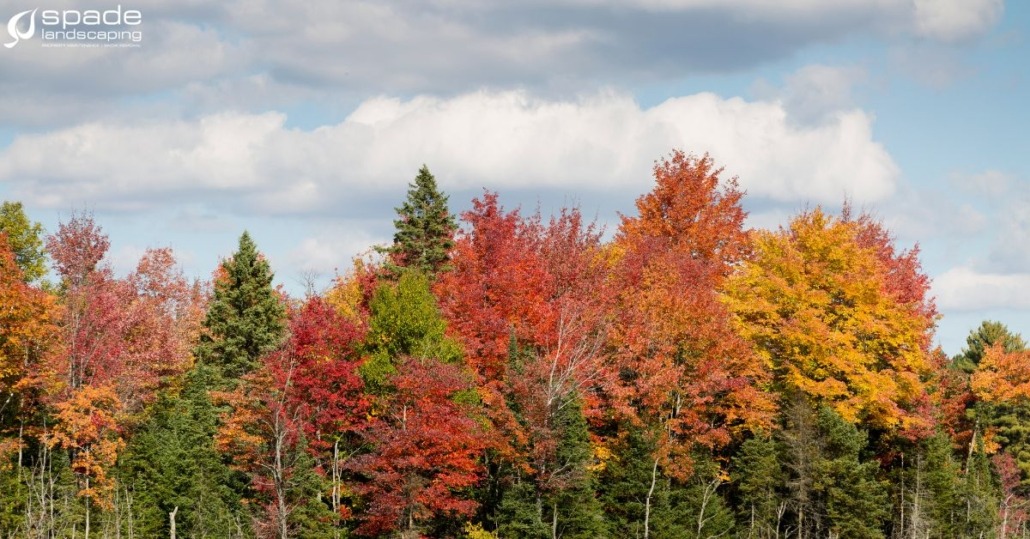
Minnesota’s native trees offer a range of aesthetic and ecological benefits, from the vibrant fall foliage of the adaptable red maple and the resilient, wildlife-supporting bur oak, to the striking white bark of the delicate paper birch and the majestic, evergreen beauty of the eastern white pine, each contributing to the state’s diverse and thriving natural landscape.
Native Shrubs of Minnesota
Minnesota’s native shrub selection offers diverse benefits, including the American hazelnut, a versatile shrub yielding edible nuts and ideal for hedgerows, the red osier dogwood, prized for its vibrant winter stems and pollinator support, the resilient common ninebark, known for its attractive peeling bark and erosion control, and the hardy black chokeberry, producing antioxidant-rich berries that benefit wildlife and naturalistic landscapes.
Native Flowers of Minnesota
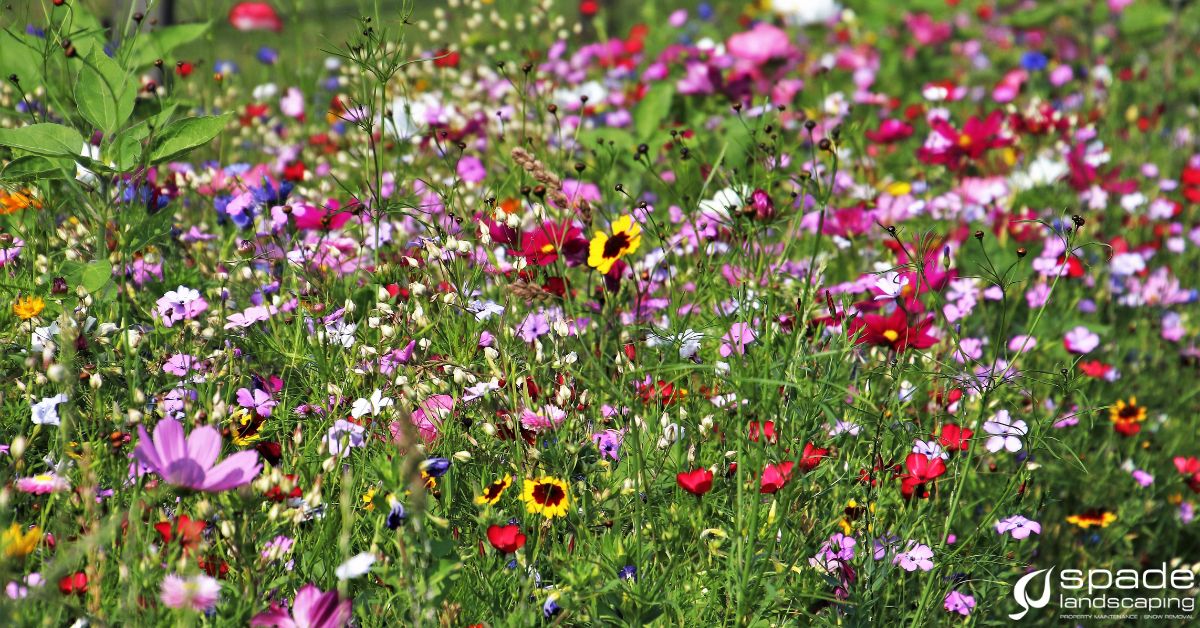
Minnesota’s native plant repertoire boasts several vibrant and beneficial options, including the pollinator-attracting and drought-tolerant purple coneflower, the hummingbird-favorite wild bergamot with its fragrant, tea-usable leaves, the summer-blooming, pollinator-friendly black-eyed Susan, the crucial monarch caterpillar food source swamp milkweed, the nitrogen-fixing and early-blooming wild lupine, the hummingbird-beloved and rain-garden-suited cardinal flower, and the delicate yet hardy, spring-announcing pasque flower, all contributing to a diverse and thriving local ecosystem.
 Tips for Using Native Plants in Landscaping
For a successful native plant landscape in Minnesota, prioritize plant selection based on your specific soil and sun conditions, grouping species with similar needs for efficient maintenance and a natural aesthetic; strategically incorporate layers using trees for shade, shrubs for structure, and flowering plants for seasonal color; minimize lawn space to reduce water and maintenance demands, replacing turf with native groundcovers; and design for year-round support of local wildlife by including a diverse array of flowering plants that provide food and shelter throughout all seasons.
The Benefits of Native Plants in Minnesota Landscaping
Native plant landscaping offers numerous benefits, beginning with its remarkably low maintenance requirements. Adapted to Minnesota’s climate and soil, these plants need less water, fertilizer, and general upkeep compared to non-native varieties, translating to reduced workload and a more self-sustaining landscape. Additionally, native plants play a vital role in supporting local wildlife, providing essential food, shelter, and breeding grounds for Minnesota’s diverse array of birds, butterflies, bees, and other pollinators. Their symbiotic relationships with local fauna contribute to a balanced and thriving ecosystem. Furthermore, native plants exhibit superior drought and pest resistance, naturally withstanding Minnesota’s extreme weather conditions and possessing inherent defenses against local pests and diseases, minimizing the need for chemical interventions.
Moreover, native plants excel at preventing soil erosion, thanks to their deep root systems that stabilize soil and manage water runoff, making them ideal for slopes, shoreline restoration, and rain gardens. They also enhance water conservation by requiring minimal irrigation, aligning with local rainfall patterns and reducing water usage and utility costs. Finally, native landscapes offer year-round seasonal beauty, showcasing vibrant fall foliage, summer blooms, and striking winter features, ensuring a visually appealing yard throughout every season.
How to Start Your Native Landscape
Creating a thriving native plant landscape begins with a thorough site assessment, involving careful observation of sunlight exposure, soil type, and moisture levels to inform plant selection and ensure optimal growth. Next, a well-structured design is crucial, incorporating a diverse range of plants to establish layers and promote a balanced ecosystem that supports pollinators and wildlife. Sourcing plants from local nurseries or conservation organizations specializing in regionally appropriate species is vital, while avoiding invasive species that can harm the local ecosystem. Soil preparation, though often minimal, benefits from weed removal and organic matter addition, with chemical fertilizers generally unnecessary.
The planting process itself, best undertaken during spring or fall, involves applying mulch to retain moisture, suppress weeds, and regulate soil temperature. While native plants are known for their resilience, occasional watering during the first year is essential for root establishment. Subsequent maintenance is minimal, primarily involving the removal of invasive weeds and occasional trimming to maintain a tidy appearance.
Minnesota Landscaping
Incorporating native trees, shrubs, and flowers into your Minnesota landscape isn’t just an environmentally friendly choice—it’s also a practical and beautiful way to create a sustainable yard that benefits both you and local wildlife. Whether you’re looking to attract pollinators, reduce maintenance, or add year-round beauty, native plants offer countless advantages.
By choosing native landscaping, you’re not just enhancing your property—you’re contributing to the health of Minnesota’s natural ecosystems. So why not start today and transform your yard into a thriving, nature-friendly space?