What is the difference between artificial turf and synthetic turf?
In the world of landscaping, sports fields, and home improvement, artificial turf and synthetic turf are often used interchangeably. But are they truly the same? The short answer: not exactly. While both terms refer to man-made grass alternatives, there are subtle differences that can impact your purchasing decision. Let’s break it down in simple terms so you can make an informed choice.
Understanding Artificial Turf and Synthetic Turf
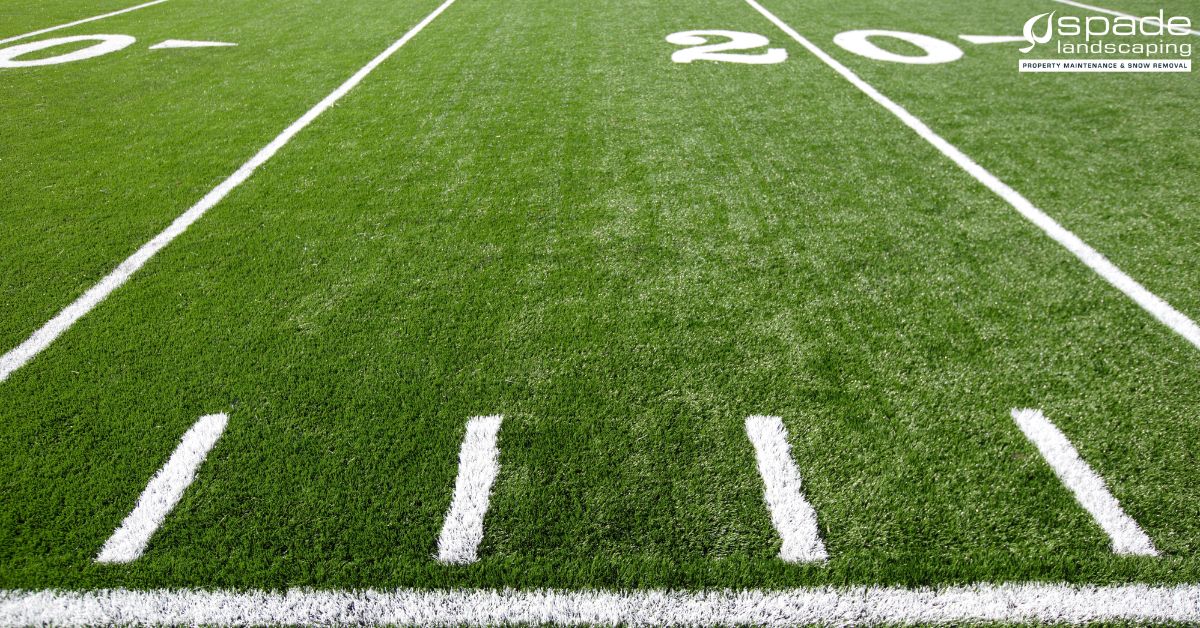
Before exploring the nuances between artificial and synthetic turf, it’s crucial to establish a foundational understanding of each term. Artificial turf designates a surface constructed from synthetic fibers designed to replicate the appearance of natural grass. Its applications span a wide range, including sports fields, playgrounds, and landscaping, with a primary focus on durability to withstand heavy usage in high-traffic areas. This emphasis on resilience makes artificial turf a practical choice for environments where longevity is paramount.
 Synthetic turf, in essence, is synonymous with artificial turf, both referring to surfaces composed of non-natural materials. However, a subtle distinction arises in marketing and product differentiation. Some manufacturers utilize the term “synthetic turf” to denote newer, premium-grade variations that exhibit enhanced realism, closely mimicking the texture and visual aesthetics of natural grass. This terminological nuance reflects the evolution of synthetic turf technology, where advancements have prioritized both durability and lifelike appearance.
Key Differences Between Artificial Turf and Synthetic Turf
While the terms “artificial turf” and “synthetic turf” are often used interchangeably, subtle distinctions exist, primarily stemming from historical usage and evolving technology. Artificial turf, introduced in the 1960s, initially served functional purposes in sports fields, characterized by stiff, plastic-like fibers. As manufacturing techniques advanced, “synthetic turf” emerged, reflecting the development of more realistic and sophisticated grass alternatives. This shift in terminology mirrors the industry’s progression towards products that prioritize both durability and aesthetic appeal.
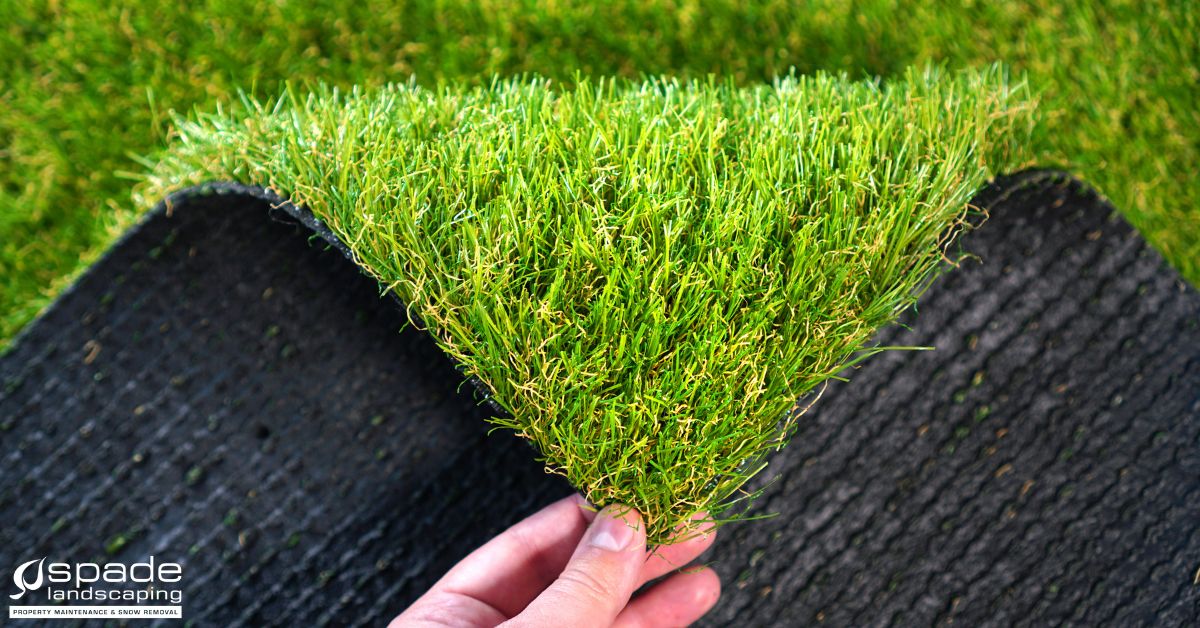
The composition of both artificial and synthetic turfs involves similar materials, including polyethylene, polypropylene, and nylon. However, synthetic turf manufacturers emphasize advanced fiber technology to achieve a more natural look and feel. This focus translates to multi-tone coloring, softer textures, and lifelike blade shapes that mimic real grass movement. Consequently, synthetic turf is often marketed towards homeowners and high-end landscaping projects where realism is paramount, while artificial turf finds broader application in sports fields and commercial settings where durability takes precedence. Furthermore, modern synthetic turf often incorporates eco-friendly materials, recyclable components, and advanced drainage systems to minimize environmental impact.
Cost and maintenance considerations also differentiate the two. Artificial turf tends to be more budget-friendly, catering to sports and commercial applications, whereas synthetic commands a premium price due to its enhanced aesthetic qualities. Both turf types require less maintenance than natural grass, primarily involving brushing, occasional rinsing, and infilling. However, high-end synthetic may necessitate slightly more upkeep to preserve its natural appearance. Ultimately, the choice between artificial and synthetic hinges on the specific application, prioritizing either durability and cost-effectiveness or realism and aesthetic appeal.
 Which One Should You Choose?
If you’re installing turf in a sports stadium, playground, or an area with heavy foot traffic, artificial turf is a great choice for its durability.
If you want a lush, natural-looking lawn for your home or business, synthetic turf is likely the better option for its realistic appearance.
Artificial Turf vs Synthetic Turf
At the end of the day, the differences come down to marketing and advancements in technology. While they are similar, synthetic turf is often the more refined, aesthetically pleasing version. Whether you’re looking for a tough sports field or a beautiful backyard, understanding these distinctions can help you choose the right turf for your needs.