
Spring has sprung and it’s time to kick those lawns back into shape!
As the chill of winter begins to fade, and the sun starts to shine brighter, there’s no better time to start your spring lawn care journey. Spring has officially arrived, and it’s the perfect season to focus on reviving your lawn after the long, harsh winter months. Whether your lawn is looking a bit worn out or you just want to give it a fresh start, spring is the time to roll up your sleeves and bring your yard back to life.
Why Spring is the Best Time for Lawn Care
The transition from winter to spring brings changes that affect your lawn in multiple ways. As the soil warms up, grass begins to come out of dormancy and starts to grow again. This period of growth presents an excellent opportunity to give your lawn the care it needs to thrive throughout the warmer months.
Spring lawn care is essential because it’s the time when your grass can rebound the quickest. After enduring the cold, frost, and lack of sunlight, your lawn is ready for a boost to get back to its vibrant self. Proper care during this time helps the grass develop strong roots, enabling it to handle the heat and stress of summer.
Preparing Your Lawn for Spring
Before diving into the essential tasks, it’s important to assess the current state of your lawn. Take a walk around and evaluate the condition of the grass. Look for any signs of disease, bare patches, or areas that need extra attention.
Once you’ve assessed the lawn, start by clearing away any debris that may have accumulated over the winter months. Fallen leaves, twigs, and other organic matter can block sunlight and hinder the grass’s growth. Remove these obstacles so that your lawn can breathe and get the nutrients it needs.
Another crucial step in spring preparation is dethatching. Thatch is a layer of dead grass, roots, and other organic matter that can build up on the soil’s surface. While a small amount of thatch is normal, too much can suffocate your lawn and prevent water and nutrients from reaching the roots. Use a dethatching rake or a dethatching machine to remove the excess thatch and allow your lawn to breathe again.
 Aerating Your Lawn
One of the best ways to give your lawn a fresh start is by aerating it. Aeration involves creating small holes in the soil to allow water, air, and nutrients to penetrate deeper into the ground. It helps alleviate soil compaction and provides more space for roots to grow.
If you’ve noticed that your lawn has heavy traffic or the soil feels compacted, aeration is a great solution. It’s particularly beneficial if your lawn has clay soil or experiences a lot of foot traffic, as compacted soil can limit root growth and water drainage.
When to aerate? Spring is the ideal time because the grass is actively growing, and the soil is moist enough to allow the aeration tools to penetrate. Typically, aerating your lawn in early to mid-spring will give your grass a head start for the growing season.
Fertilizing Your Lawn in Spring
One of the most crucial steps in getting your lawn back into shape is fertilization. After a long winter, your lawn may have depleted its nutrients, and fertilizing is the best way to replenish them. Spring is the time to feed your lawn, as the grass is in a growth phase and will benefit from the extra nutrients.
When choosing a fertilizer, look for one that is rich in nitrogen, as this promotes healthy green growth. Be sure to select a fertilizer that’s appropriate for your grass type and soil condition. Whether you opt for a slow-release or quick-release formula, make sure you follow the recommended application rates to avoid over-fertilizing, which can harm your lawn.
The best way to apply fertilizer is to use a spreader. This ensures an even distribution and prevents patches of over-fertilized grass. After applying the fertilizer, water your lawn to help it soak in.
Mowing Your Lawn the Right Way
Once your lawn starts to grow, it’s time to start mowing, but don’t just jump into the task without considering some important factors. Mowing is an essential part of lawn maintenance, but it’s important to do it correctly to avoid damaging the grass.
For the first mow of the season, set your mower blades a bit higher than usual. Longer grass helps to shade the soil, which can reduce weed growth and help the grass retain moisture. As the season progresses, gradually lower the mower blade to your desired height. Keep in mind that cutting no more than one-third of the grass blade at a time helps prevent stressing the lawn.
Be sure to mow your lawn when it’s dry, as wet grass can clog your mower and create uneven cuts. Also, alternate your mowing pattern each time you cut the grass to prevent soil compaction and promote healthier growth.
Weed Control in Spring
Spring is when weeds start to emerge, and if you want to keep your lawn looking pristine, you’ll need to take action early. The best defense against weeds is a healthy, thick lawn that can outcompete them for sunlight, water, and nutrients.
Consider applying a pre-emergent weed killer in early spring. This helps prevent weed seeds from germinating and spreading. However, be cautious about using chemical treatments, as they can sometimes harm your grass if not applied correctly. If you prefer a more natural approach, try using organic weed control methods like vinegar or corn gluten meal.
Another way to keep weeds in check is by overseeding your lawn. By adding fresh grass seed to any bare or thinning patches, you’ll create a denser lawn that will naturally crowd out weeds.
Watering Your Lawn Properly
Spring rain can help nourish your lawn, but it’s still important to pay attention to watering, especially during dry spells. During the early growing season, your lawn may need regular watering to ensure it stays hydrated and healthy.
The key to proper lawn watering is consistency. Aim to water your lawn deeply but infrequently, as this encourages deeper root growth. Early mornings are the best time to water, as it allows the grass to dry before evening, which can help prevent fungal diseases.
Be mindful of your local weather conditions. If you’re getting plenty of rain, you may not need to water as often. However, during dry spells, ensure your lawn is getting at least an inch of water each week.
Mulching and Its Benefits for Your Lawn
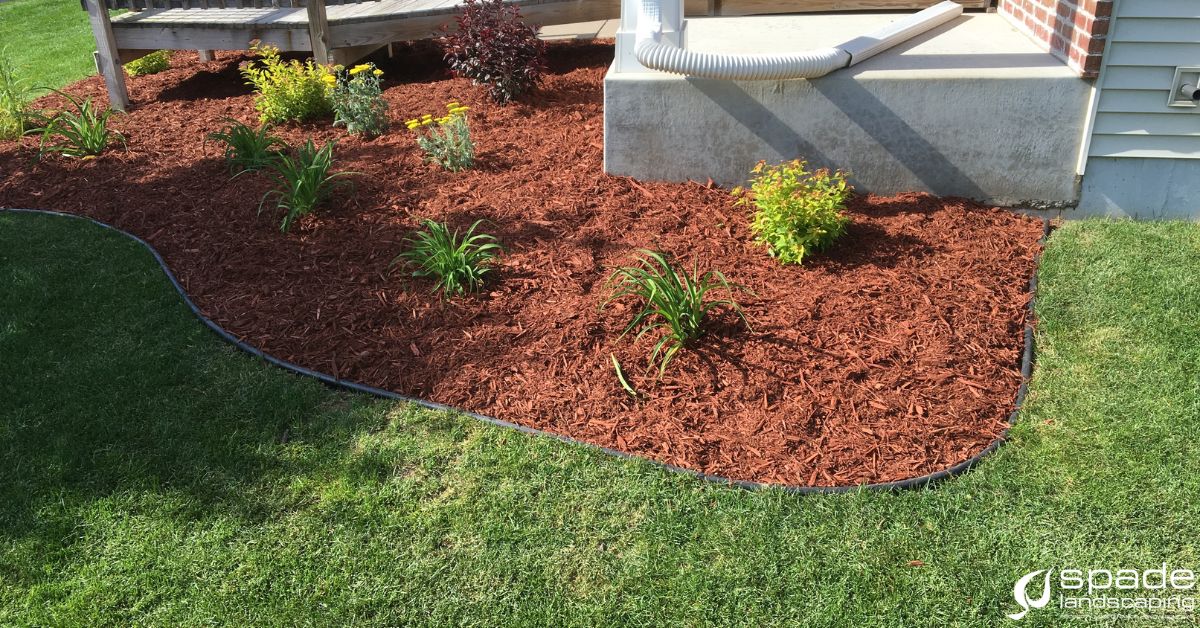
Mulching is another great way to maintain a healthy lawn. Adding a layer of mulch around your trees, flower beds, or in areas with sparse grass can help retain moisture, suppress weeds, and improve soil quality. Organic mulches like wood chips or straw break down over time and enrich the soil with nutrients.
 Just be sure not to pile the mulch too high around the base of trees or shrubs, as this can lead to moisture buildup and potentially harm the roots.
Managing Lawn Pests in Spring
Spring is also the time when insects and pests start to become more active. Common lawn pests like grubs, ants, and chinch bugs can wreak havoc on your grass if not properly managed. Keep an eye out for any signs of damage, such as irregular patches or wilting grass.
There are many organic and chemical treatments available to control pests, but it’s essential to identify the problem before taking action. Some pests, like grubs, are best managed with specific treatments, while others, like ants, may require a different approach.
Spring Lawn Care
Spring is the perfect time to kick your lawn back into shape, and with the right care, you can enjoy a lush, green lawn all season long. From aerating and fertilizing to proper mowing and watering, the steps you take now will pay off later. Don’t forget to stay on top of weed control and pest management, as these can affect the overall health of your lawn. So, grab your tools, roll up your sleeves, and let’s get that lawn looking its best!