What is hydroseeding?
Hydroseeding is a planting process that uses a mixture of seed, mulch, fertilizer, and water to establish vegetation quickly and efficiently. Often used for lawns, erosion control, and large-scale agricultural projects, hydroseeding provides a solution for those looking to create lush green spaces with minimal hassle. This technique is particularly beneficial for areas that are difficult to access or have poor soil quality.
In simpler terms, this process is like creating a “slurry” that combines the essentials needed for plants to grow—seeds, water, and nutrients—into a highly effective, easy-to-apply form.
How Does Hydroseeding Work?
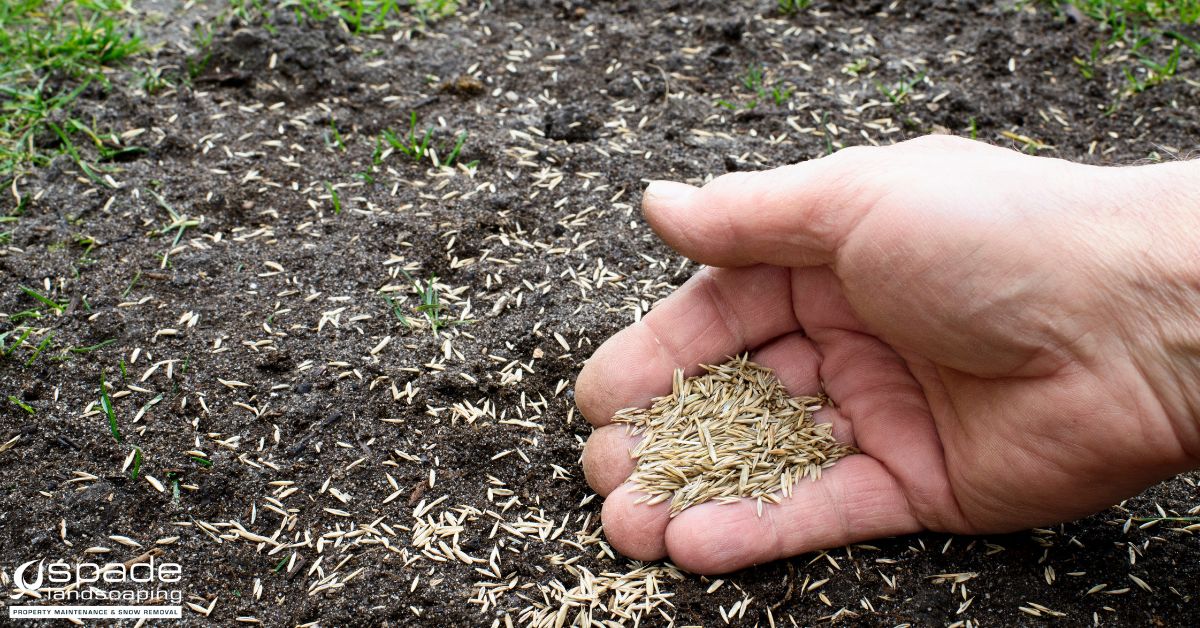
The hydroseeding process involves mixing grass seed, mulch, water, and fertilizers in a large tank. A hose or sprayer is then used to apply this mixture evenly over the target area. The mulch helps retain moisture, while the fertilizers provide nutrients to support growth. Additionally, the slurry acts as a protective cover, reducing soil erosion and ensuring the seeds stay in place.
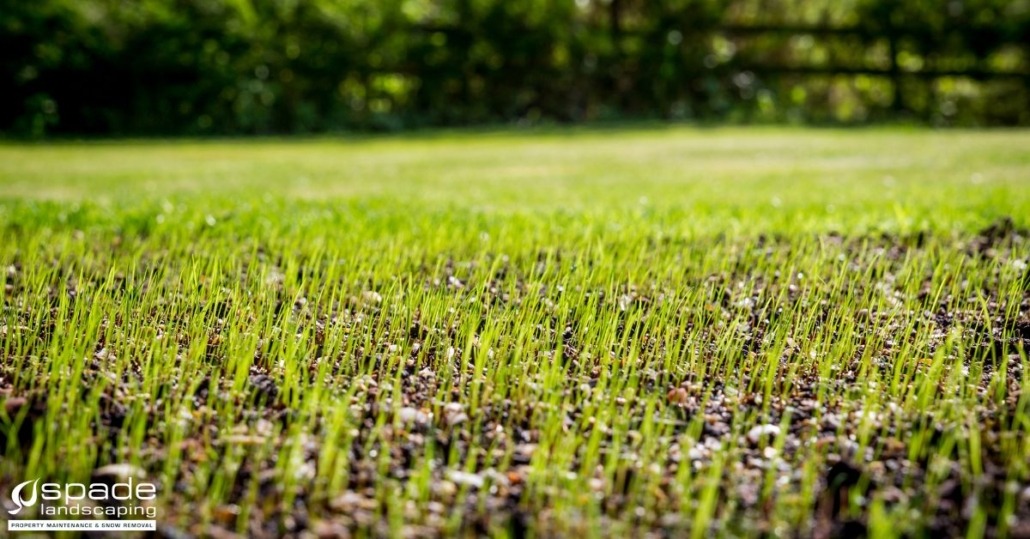
Once the mixture is applied, it typically takes a few weeks for the seeds to germinate, and in most cases, the result is a thick, healthy lawn or vegetation cover. The process is much quicker than traditional seeding methods, which rely on hand-planting individual seeds.
 Benefits of Hydroseeding
Hydroseeding offers several distinct advantages, notably accelerated seed germination. The slurry’s composition of mulch and water creates an ideal, moisture-rich environment, significantly reducing the time required for seeds to sprout compared to traditional dry seeding methods. This rapid germination translates to quicker lawn establishment and faster results. Additionally, hydroseeding provides a cost-effective alternative to sodding, making it a budget-friendly choice for large-scale projects and homeowners seeking to minimize expenses.
Furthermore, the hydroseeding process provides effective erosion control. The mulch layer within the sprayed slurry acts as a protective barrier, stabilizing the soil and preventing erosion, particularly on slopes or in areas prone to poor drainage. The uniform application of seeds through the spray ensures even distribution, resulting in a more consistent and aesthetically pleasing lawn or plant growth. Finally, it’s adaptability to various terrains and soil conditions, including hillsides, golf courses, and challenging soil environments, makes it a versatile solution for diverse landscaping needs.
Hydroseeding vs. Traditional Seeding
While traditional seeding involves manually planting individual seeds into the ground, hydroseeding offers a more efficient approach. Instead of spending hours on hands-and-knees planting seeds, the hydroseeding method ensures that the seeds are distributed evenly, and the protective mulch layer helps retain moisture.
In terms of costs, it is is usually cheaper than sodding but offers quicker results than traditional seeding. Hydroseeding is particularly beneficial when dealing with large areas or difficult terrain. The even distribution helps reduce wastage, while the mulch provides a protective covering that improves seed retention and minimizes the risk of washouts.
 Applications of Hydroseeding
Hydroseeding proves highly effective in establishing and revitalizing residential lawns, particularly in areas with uneven terrain or challenging soil conditions where traditional seeding methods may fall short. Its ability to uniformly distribute seeds and create a protective mulch layer makes it ideal for achieving a consistent and healthy lawn. Moreover, hydroseeding plays a crucial role in erosion control, stabilizing soil on slopes, hillsides, and construction sites, effectively preventing soil loss during rainfall events.
For large-scale applications, such as golf courses, sports fields, and landscaping projects like parks, roadsides, and agricultural fields, hydroseeding offers significant advantages. Its capacity to ensure even grass growth and develop strong, durable turf makes it a preferred method for creating lush, functional spaces. This technique’s efficiency in establishing plant life over expansive areas contributes to its widespread adoption in various commercial and public projects.
Factors Affecting Hydroseeding Success
Successful seeding hinges on several key environmental and preparatory factors. The optimal temperature range for hydroseeding lies between 60 and 80 degrees Fahrenheit, as extreme heat or cold can significantly impede seed germination. Soil quality is equally important; poor soil often necessitates amendments like lime or compost to create a conducive growing environment. Pre-application soil testing is highly recommended to identify and address any deficiencies. Consistent watering is crucial, particularly during the initial germination phase, maintaining soil moisture without oversaturation to support healthy growth.
Furthermore, seed selection plays a pivotal role in hydroseeding outcomes. Different grass and plant varieties possess unique requirements for light, soil, and water. Therefore, choosing the appropriate seed type tailored to the specific climate and soil conditions of the area is essential for optimal results. This careful consideration of environmental factors and seed suitability maximizes the success of seeding projects, ensuring a healthy and vibrant outcome.
Hydroseeding for Erosion Control
One of the most significant benefits of hydroseeding is its ability to prevent soil erosion. Areas with slopes, construction sites, or places vulnerable to heavy rainfall often suffer from soil loss. It’s combination of mulch and seed creates a protective barrier that helps hold the soil together, reducing the impact of water runoff. This is especially important in areas that require fast stabilization of soil, such as after a construction project or wildfire.
Hydroseeding Maintenance
Post-hydroseeding success relies on consistent, though minimal, maintenance, primarily focused on maintaining soil moisture through regular watering for the first few weeks, employing sprinklers or hand-watering based on area size; initiating mowing once the grass reaches a few inches in height, avoiding premature mowing to protect delicate seedlings; and applying supplemental fertilization as needed to support healthy growth, especially for specific grass or plant varieties.
Is Hydroseeding Right for Your Project?
Hydroseeding rapidly establishes lawns, landscapes large areas, and controls erosion. However, before choosing hydroseeding, consider these factors: proper preparation is essential, including soil health, seed selection, and post-application maintenance. Those who invest time and care will find hydroseeding an efficient and cost-effective solution.
Hydroseeding is a powerful and efficient method for creating vibrant lawns, controlling erosion, and establishing lush plant life in a variety of applications. With its fast germination, cost-effectiveness, and versatility, it’s a go-to choice for homeowners, landscapers, and agricultural professionals alike. Whether you’re looking to green up a small yard or stabilize a large-scale project, hydroseeding offers a reliable solution.