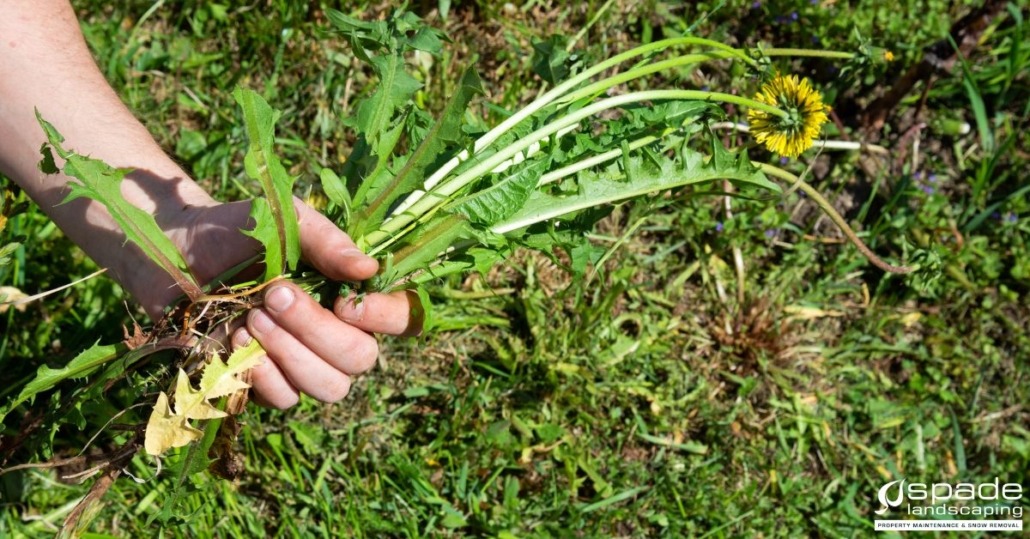
The Ultimate Guide to Weed Prevention: A Year-Round Strategy
Weeds can be a gardener’s worst enemy. They can overtake your lawn, garden, or flower beds, stealing nutrients, water, and sunlight from the plants you’ve worked hard to grow. The good news is that with a year-round strategy, you can prevent weeds from becoming a problem in the first place. Let’s dive into the ultimate guide to weed prevention, exploring how to tackle them throughout the seasons to keep your outdoor space thriving.
Why Weed Prevention is Essential
Weeds aren’t just unsightly; they also compete with your desired plants for vital resources. They can stunt growth, cause diseases, and, in some cases, even poison your soil over time. By focusing on prevention, you can save yourself the hassle of dealing with a full-scale weed invasion and the work it takes to manage them once they’ve spread. Think of it as the difference between fixing a leaky roof before the storm hits and trying to patch it up after the flood.
Understanding Weeds: The Invaders of Your Garden
Understanding the inherent persistence of weeds is crucial before implementing prevention strategies. These resilient plants thrive in diverse environments, from driveway crevices to garden corners, exhibiting various growth patterns. Some develop deep roots, while others spread rapidly via seeds. Common weed classifications include annuals, which complete their life cycle in a single growing season; perennials, which return annually, often from underground structures; and biennials, which require two years to complete their life cycle.
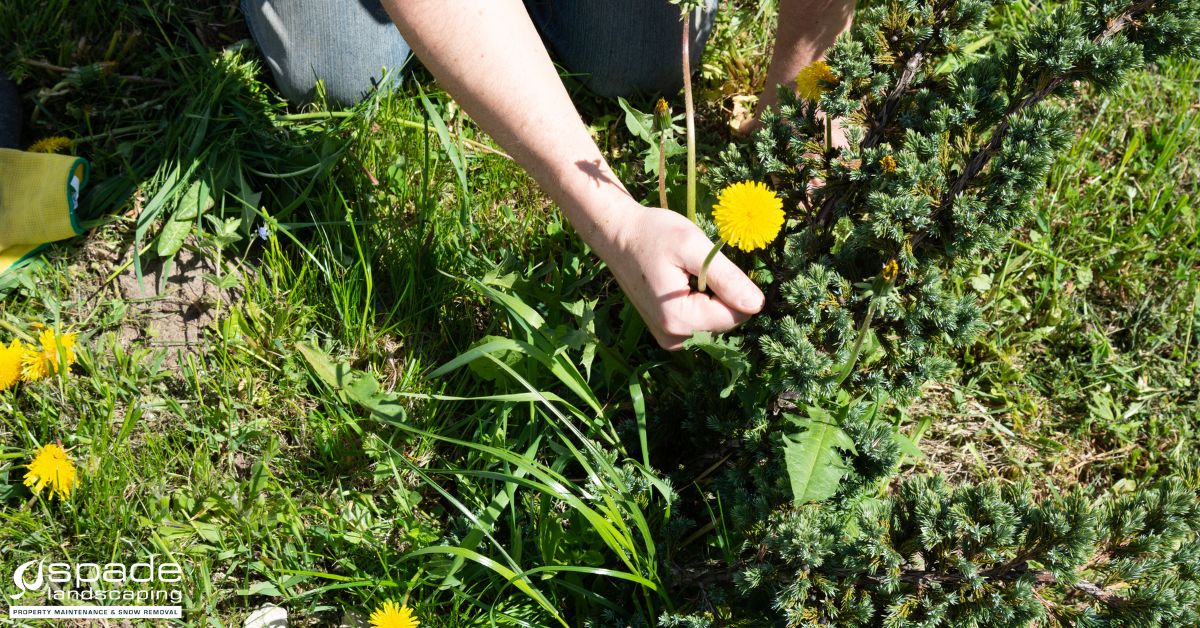 Each weed type necessitates a tailored prevention approach. Annual weeds, primarily seed-propagated, are often managed with pre-emergent herbicides and mulching. Perennial weeds, with their robust root systems, demand diligent removal of all root fragments to prevent regrowth. Biennial weeds, which germinate in the first year and flower in the second, require control during their vulnerable seedling stage. Recognizing these distinctions allows for targeted interventions that maximize efficacy and minimize the need for harsh chemicals.
Weed Prevention Strategies for Every Season
Effective weed prevention is a year-round commitment, requiring proactive strategies tailored to each season. Spring, the season of new growth, is the ideal time for early intervention. Applying a 2-4 inch layer of organic mulch, such as wood chips or straw, around plants blocks sunlight and inhibits weed seed germination while enriching the soil. Pre-emergent herbicides offer a chemical alternative, preventing seed germination, but must be chosen carefully to ensure plant safety. Promptly removing emerging weeds before they seed is crucial, utilizing tools like weeding forks or hoes for efficient extraction.
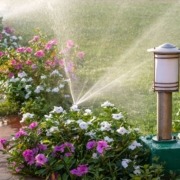
Summer’s full bloom also brings vigorous weed growth, demanding regular garden inspections, particularly after rainfall, to prevent seeding. Proper watering techniques, emphasizing deep, infrequent watering over shallow, frequent watering, discourage weed germination while promoting robust plant root systems. Hand-weeding is effective for persistent weeds, ensuring root removal to prevent regrowth.
Fall provides an opportunity to prepare for the following spring by removing dead plants and weeds, reducing seed dispersal. Cover cropping with plants like clover or ryegrass suppresses weed growth and enriches the soil. A fall application of pre-emergent herbicide can further inhibit winter weed germination, giving desired plants a head start. Even in winter, vigilance is key. Checking mulch integrity and removing any emerging weeds, including perennial varieties like dandelions, prevents future infestations.
Weed-Resistant Lawn Care Tips
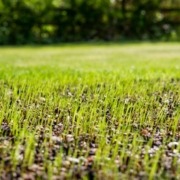
To cultivate a weed-resistant lawn, homeowners should employ practices that promote turf resilience, such as mowing at a higher setting to encourage deeper root systems and create shade that inhibits weed growth, overseeding in the fall to fill bare patches and create a denser lawn that outcompetes weeds, and fertilizing appropriately with the right timing and amounts to nourish the grass without inadvertently stimulating weed development.
 Natural Weed Control Alternatives
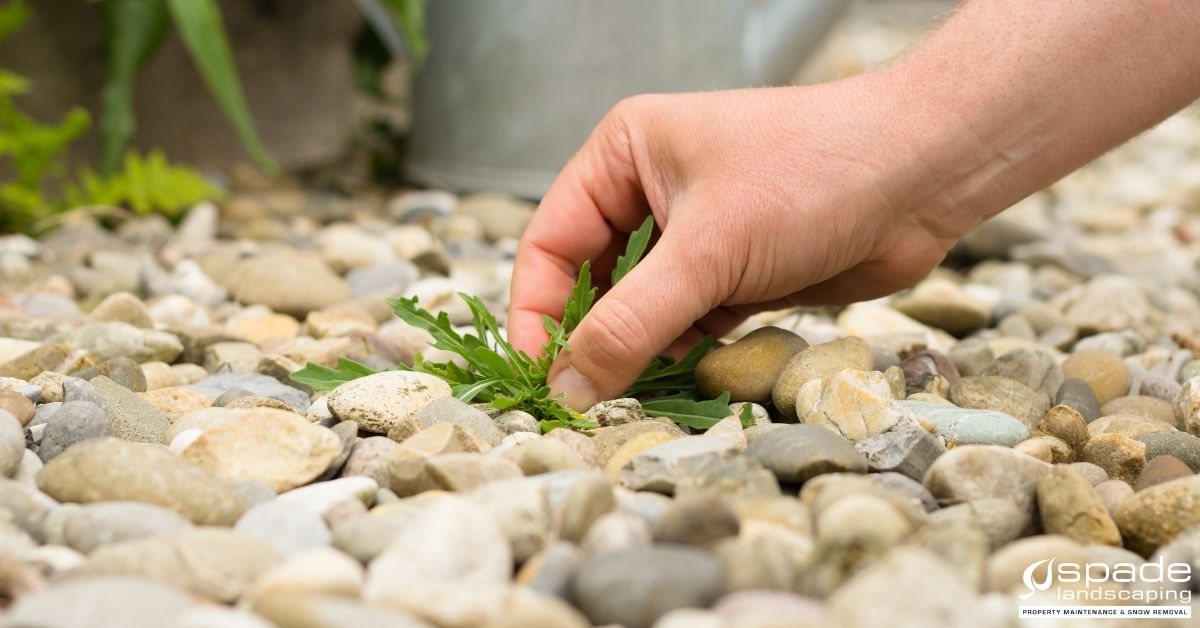
For an eco-conscious approach to weed prevention, homeowners can employ natural methods such as spraying a vinegar-water solution directly onto weeds, exercising caution to avoid desirable plants; applying corn gluten meal, a natural pre-emergent herbicide, to inhibit weed sprouting while remaining safe for most plants; or pouring boiling water directly onto weeds, especially those in walkway or driveway cracks, for effective eradication.
Common Mistakes in Weed Prevention
People often worsen weed problems by neglecting to consistently apply mulch, a crucial weed barrier, and by misusing herbicides, which can damage desired plants if applied incorrectly or without careful label adherence. Additionally, delaying weed removal until they establish deep roots or produce seeds significantly increases the difficulty of eradication.
Weed Prevention
Weed prevention isn’t a one-time task; it’s an ongoing strategy that requires attention throughout the year. By following a year-round approach—starting with proper mulching in the spring, staying diligent in the summer, and preparing for next year in the fall—you can significantly reduce the time spent battling weeds. Whether you opt for chemical solutions, organic methods, or a combination of both, maintaining a clean, healthy garden is possible with consistent effort and smart planning. By taking the right actions at the right times, you can keep your garden flourishing, free from unwanted weeds.