Irrigation System Maintenance: Your Complete Seasonal Guide
An irrigation system is like the lifeline of your garden or farmland. It ensures your plants get the right amount of water at the right time, promoting healthy growth and maximizing efficiency. However, just like any other system, irrigation systems need regular maintenance to perform optimally. Without proper upkeep, you may face clogged nozzles, leaks, pressure issues, or even system failures that can cost time and money.
This complete seasonal guide will walk you through the essential maintenance tasks for each season, helping you keep your irrigation system in top shape all year round.
Spring: Prepping Your System for the Growing Season
Spring’s arrival demands immediate inspection of irrigation systems to find and fix winter damage. Carefully examine pipes for cracks, sprinkler heads for breakage, and any other visible signs of wear or damage caused by freezing temperatures. Additionally, cleaning and unclogging nozzles is essential to ensure even water distribution, as dirt and debris can accumulate over the winter months. Monitoring water pressure upon system activation is also critical; deviations from the normal range may indicate underlying issues such as valve problems or leaks.
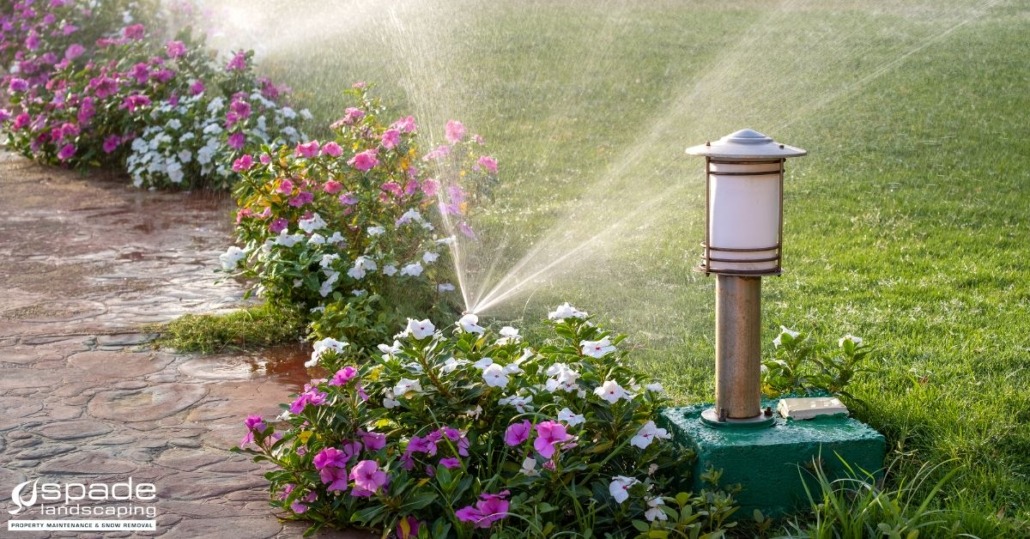
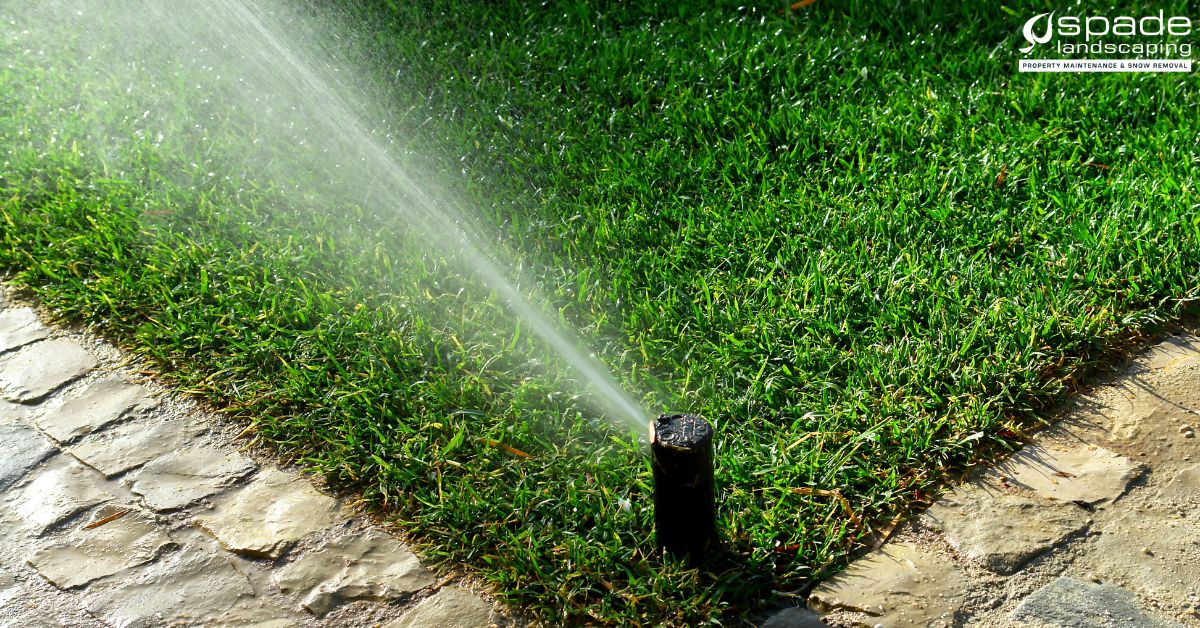 Furthermore, proper adjustment of sprinkler heads is necessary to prevent water waste and ensure targeted irrigation, avoiding unintended watering of driveways or sidewalks. Finally, testing controllers and timers is vital to confirm that the irrigation schedule aligns with seasonal watering needs. This includes replacing old batteries and reprogramming the system as required, ensuring efficient and effective watering throughout the spring and summer.
Summer: Keeping Your System Efficient in Peak Use
Summer’s high demand on irrigation systems necessitates diligent maintenance to guarantee optimal efficiency and prevent expensive repairs. Regular monitoring for leaks and water waste is paramount, requiring thorough inspections for signs of pooling water, wet spots, or other leakage indicators. Additionally, inspecting and cleaning filters is essential to maintain a consistent water flow by preventing debris from clogging nozzles and pipes. Adjusting watering schedules to accommodate fluctuating weather conditions, such as prolonged heat or unexpected rainfall, is crucial to avoid both underwatering and overwatering.
Furthermore, it’s vital to address any plant growth that may obstruct sprinkler heads or drip lines, trimming bushes, grass, and tree roots to ensure unobstructed water delivery. A comprehensive system test run should be conducted to evaluate coverage and efficiency, identifying areas requiring adjustments or potential upgrades to more efficient nozzles or drip irrigation methods. These proactive measures will contribute to a healthy landscape and minimize water waste throughout the summer months.
Fall: Preparing for the Off-Season
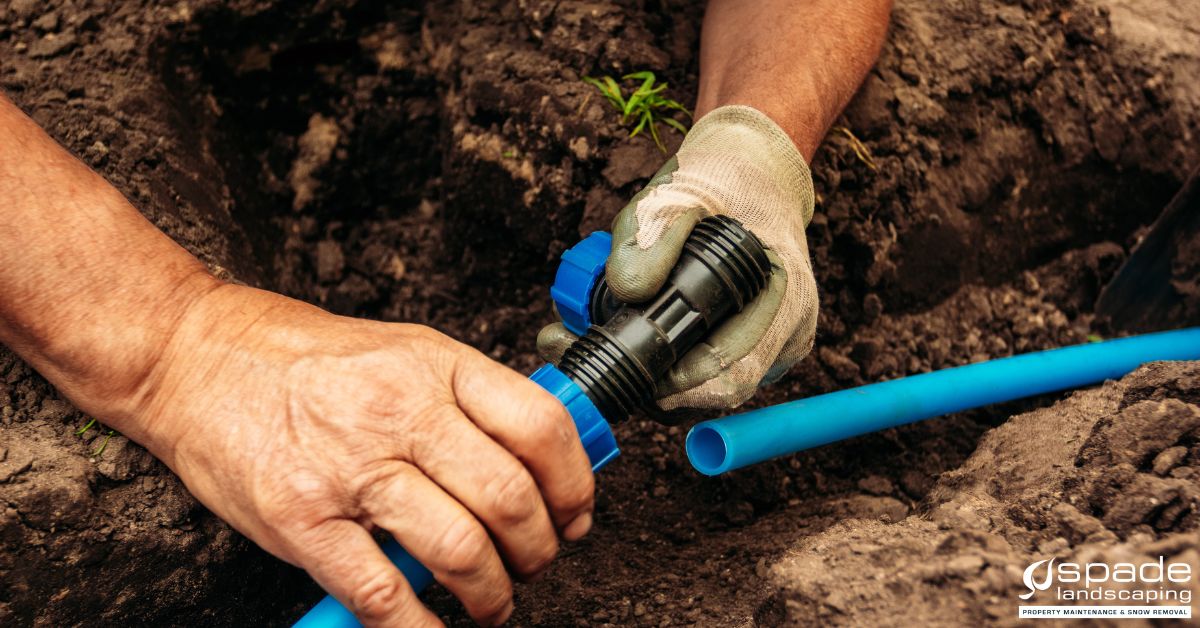
With the onset of colder temperatures, initiating the winter shutdown of your irrigation system is crucial to prevent damage. This process entails progressively reducing watering frequency to avoid overwatering plants, thoroughly inspecting the system for worn parts and replacing them proactively to streamline spring reactivation, draining and blowing out the system with compressed air to eliminate residual water and prevent freezing, and properly shutting down and storing controllers, either manually or by engaging a smart controller’s winter mode.
 Winter: Protecting Your System from the Cold
Proper winterization is essential for safeguarding irrigation systems against the damaging effects of cold temperatures, ensuring their readiness for spring use. This process involves several critical steps, including insulating all above-ground components such as exposed pipes, valves, and backflow preventers to shield them from freezing. Additionally, vigilance regarding weather conditions is crucial, as sudden temperature drops can still pose a threat, necessitating proactive measures. Removable parts, such as hoses, timers, and small irrigation components, should be stored indoors to prevent cracking or other forms of damage.
Beyond preventative measures, winter provides an opportune time to assess the current state of the irrigation system and plan for future improvements or expansions. This evaluation allows for strategic upgrades and adjustments, ensuring optimal performance and efficiency when the system is reactivated in the spring. By taking these proactive steps, property owners can minimize the risk of costly repairs and maximize the lifespan of their irrigation infrastructure.
Irrigation System Maintenance
Proper irrigation system maintenance is essential for efficiency, longevity, and plant health. By following this seasonal guide, you can prevent costly repairs, conserve water, and keep your landscape thriving. Whether it’s inspecting for leaks, adjusting sprinkler heads, or winterizing your system, each step plays a crucial role in maintaining peak performance.
Taking the time to care for your irrigation system each season ensures a hassle-free and efficient watering process year-round. Happy watering!